
Product Parameters
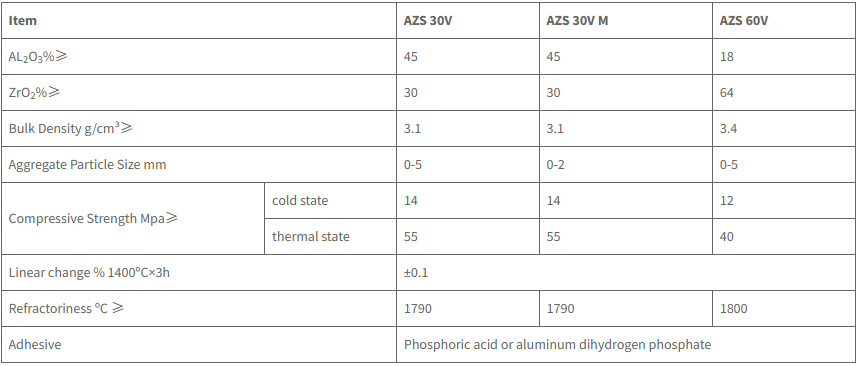
Product detail
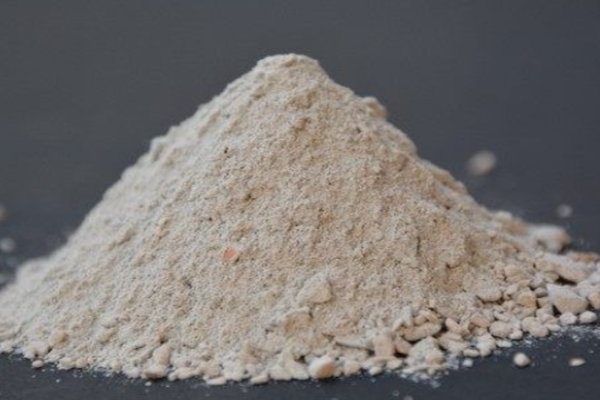
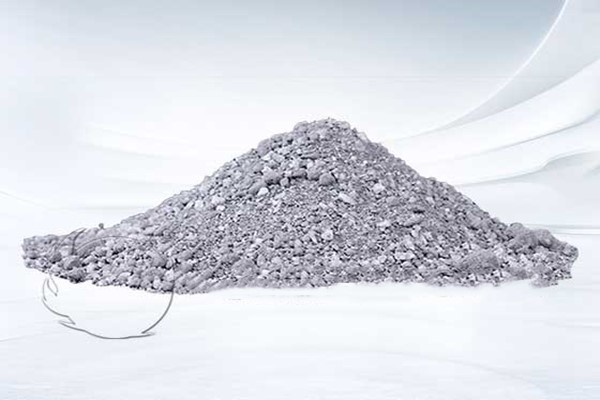
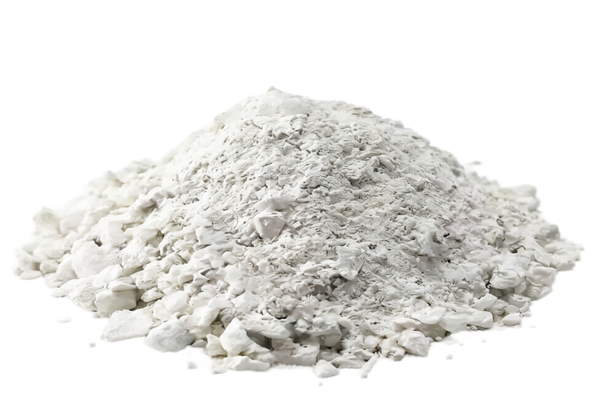
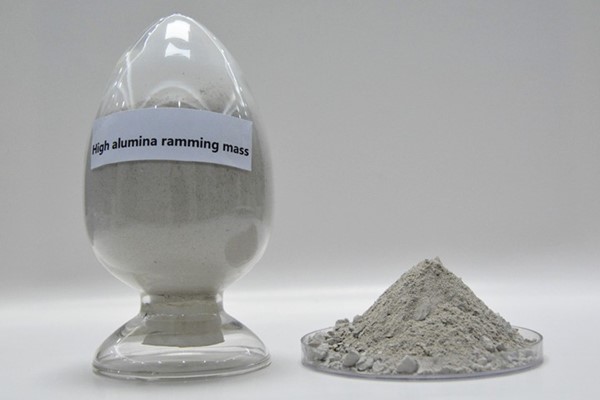
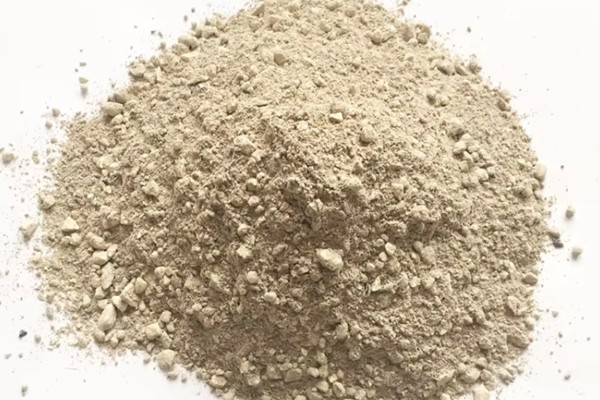
AZS Ramming Mass
AZS ramming materials and zircon ramming materials are collectively referred to as zirconium ramming materials. AZS ramming material is a monolithic refractory material with high density, good chemical and thermal stability, and excellent plasticity. It belongs to zirconium aluminum ramming material, the main component is: zirconium corundum aggregate mixture. It is used to pave the bottom of the glass furnace and fill the gap where the flame space does not contact the glass liquid. When the ramming material is used, an appropriate amount of industrial phosphoric acid (H3PO4) with a concentration of 85% is added and diluted with water. After mixing, the ramming material is wet and loose, and then pounded and sintered at high temperature to become a solid whole. AZS ramming material is mainly used for laying the bottom of the glass furnace and the insulation and filling of the flame space.
Method of use:
1. Adhesive preparation
The adhesive is aluminum dihydrogen phosphate, already prepared and packed in plastic bags. The rammed mixture shall be packed in polythene bags of 25kg each.
2. Mixing and stirring
A) Put aluminum dihydrogen phosphate in enough water for attenuation (metal containers should be avoided), then mix it with the tamped mixture, and mix it with a machine or manually.
B) Place the mixture for about 10 hours or longer for mixing and aging.
C) Judge whether the mixture is suitable for use. If it is too dry, add water and stir until it is suitable for use.
3. Construction
A) The construction site should be cleaned to avoid any impurities, and air hammer or manual compaction can be used.
B) The ramming movement shall be carried out in one direction without rest. Each ramming surface should cover another 1/3 of the area, and each layer of material should also cover another layer to avoid ignoring the space.
C) The thickness of the base mixture is 40-60mm, which shall be compacted to 1/2 of the thickness of the base after compaction. The surface of the compacted mixture shall be kept rough for the next compaction process to be continued until the required thickness of the mixture is achieved.
D) After the compaction process starts, it should be stopped immediately. If stopping cannot be avoided, the surface of the mixture should be kept rough and covered with plastic film to avoid delamination and induration.
E) When the entire process is completed
Industry Applications
1 Glass Industry: Used for the bottom sealing of glass kilns, the filling of kiln walls, the inlaying of brick joints, and hot repairs.
2 High-temperature Equipment: As lining materials for industrial kilns that require erosion resistance and high – temperature resistance.
Product Advantages
Product Applications
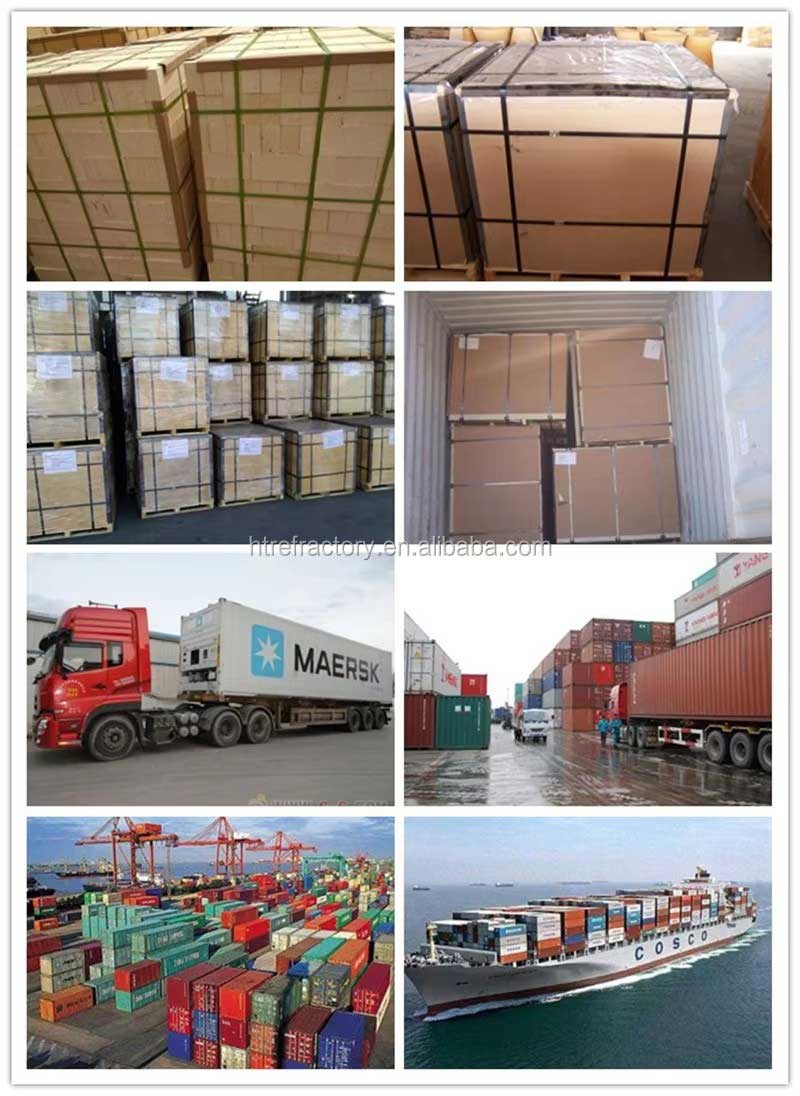
Packaging
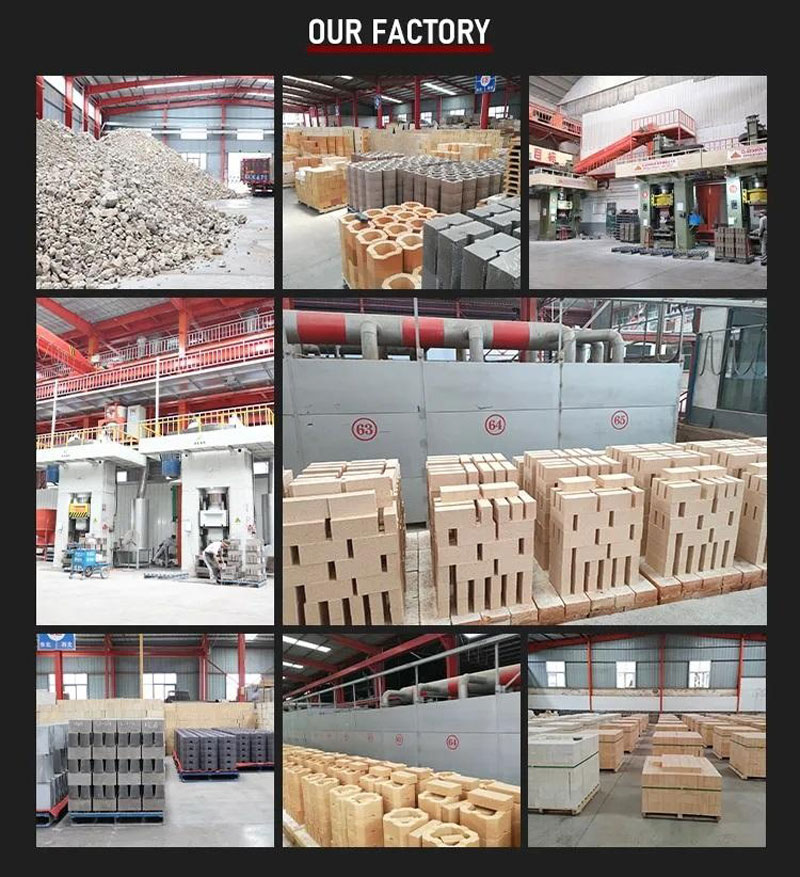
Factory Tour
Send inquiry
Please Leave your message you want to know! We will respond to your inquiry within 24 hours!